

189: Widowhood to Remarriage: Blending Families with Ongoing Grief – Daniel and Brittany Brooker
Loss shattered you; remarriage after widowhood humbles you amid trauma, blending families, and recurring developmental grief. If comparison, unmet expectations, or past pain threaten your marriage and home, listen in. Daniel and Brittany Brooker (Refuge Widowers) share Scripture-soaked wisdom, practical strategies, and hope to redeem brokenness for God’s glory.

Show Notes
About the Guest
Daniel and Brittany Brooker
About the Host
Ron Deal
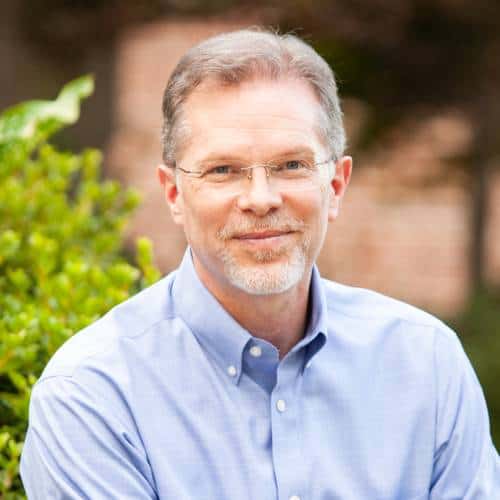
Ron Deal is Director of FamilyLife Blended®️ for FamilyLife®️ and President of Smart Stepfamilies™️. He is a family ministry consultant and conducts marriage and family seminars around the country; he specializes in marriage education and stepfamily enrichment. He is one of the most widely read authors on stepfamily living in the country.
Episode Transcript
FamilyLife Blended®
This content has been generated by an artificial intelligence language model. While we strive for accuracy and quality, please note that the information provided will most likely not be entirely error-free or up-to-date. We recommend independently verifying the content with the originally-released audio. This transcript is provided for your personal use and general information purposes only. References to conferences, resources, or other special promotions may be obsolete. We do not assume any responsibility or liability for the use or interpretation of this content.
Season 8, Episode 189: Widowhood to Remarriage: Blending Families with Ongoing Grief
Guests:Daniel and Brittany Brooker
Air Date: May 4, 2026
Daniel (00:00:01):
Lyndsie, my late wife, she was running a race well to honor God, and because of death and because of cancer, she left her baton on the track. Brittany choosing to step into my life meant she had to have the courage to lean down and pick up that baton and continue running a race that she may never get full credit for. But running it because it’s the race that God had called her to and knowing that the celebration isn’t who’s on top, who’s second, who’s third, who gets gold, silver, bronze, it is in heaven. There’s that celebration together that they ran their leg of the race, they’re part of the race to the best of their ability and to the honor of God.
Ron (00:00:48):
Welcome to the FamilyLife Blended podcast. I’m Ron Deal. We help blended families, and those who love them, pursue the relationships that matter most. And why do we do that? Because there’s great joy in loving God and loving others, and it makes the world a better place.
Nan and I just got back from sharing our Mindful Marriage conference in Grand Rapids, Michigan. We’re speaking at churches across the country on a regular basis, and we’d love to meet you at one of our upcoming fall events in New Hampshire, Sacramento, Nashville, or at the WinShape Retreat facility outside Atlanta. That is a fabulous place to get away as a couple. You can find all of our events and other blended families, small group events and ministries, both in person and there’s virtual groups that are meeting on a regular basis. You can find all of that at FamilyLife.com/Blended.
(00:01:40):
And remember, you can add your church’s ministry, your blended family ministry there for free so others can find you. Look in the show notes, we’ll get you connected.
A viewer on YouTube gave us some feedback, and if you didn’t know you have the option of watching this podcast on our YouTube channel. She said, “I’m marrying a man who has two boys from a previous marriage. It’s been bumpy because of the ex-wife. She’s clearly not over him, and I believe it has trickled down to his kids. This podcast,” she said, “has helped me to see that I cannot control the situation with their mother, but I can let them see positivity from me.” Well, you’re absolutely right about that. Being hard to dislike really helps. That’s not a bad strategy.
Her feedback, by the way, reminds me of two things. First, mother’s Day is just around the corner.
(00:02:37):
Happy Mother’s Day to all of you moms, and especially to all of you stepmoms. We know how hard Mother’s Day is for you and we see you and we appreciate the sacrifices that you make.
Second, her comment reminds me that many in our audience have a former spouse and another household in the mix. That’s what lot of people share with us. And many of our podcasts address those realities because those are very common dynamics for a lot of blended families. But sometimes we like to dive into blended family living that followed the death of a spouse, or in some cases two spouses. That’s our topic today. But as always, if the specifics of this couple’s family structure is not like yours, that’s okay. Just translate the principles into your family situation, find what applies to you, grab it and go.
So Daniel Brooker married his high school sweetheart. She was diagnosed with cancer at 19 and later died after a 10-year battle leaving Daniel a single dad with two kids. Brittany’s husband and the father of her three kids went to work one day and collapsed and never came home. As our audience knows, tragedies like this often lead to new introductions and new blended families. Daniel and Brittany got together and they’re joining us here today. Thank you guys for being with us. I’m glad to have you; been looking forward to this.
Daniel (00:04:09):
We’re so glad to be here. Such an honor, Ron, seriously.
Brittany (00:04:12):
So grateful.
Ron (00:04:12):
Remind me where you guys are physically located right now.
Daniel:
Atlanta, Georgia.
Brittany:
Yep.
Ron:
All right. I mentioned the WinShape Retreat facility. You ever been there?
Daniel (00:04:19):
Yes. Not for an event. We’ve been through there because it’s on a beautiful Berry College, which everyone in this area knows well. So it’s a great spot.
Ron (00:04:27):
Yeah, if you can ever get to a retreat there out at WinShape Retreat, make sure you do that. It’s one of our favorite places to get to and a great place to lead and just sit and talk about life.
Okay, speaking of life, let’s jump in. Daniel, you brought two kids into the marriage I believe. Brittany, you had three, is that right?
Brittany (00:04:45):
Yes.
Ron (00:04:46):
And then you guys have had one together.
Brittany (00:04:49):
Yes
Daniel:
That’s right.
Ron (00:04:49):
So big family, right?
Daniel”
Big family, yes.
Brittany (00:04:52):
We do.
Ron (00:04:54):
And married for nine years.
Daniel (00:04:55):
Nine years, and we have to double check. We look at each other when we say the timeframe. Has it been nine years or 19?
Brittany (00:05:04):
We don’t know.
Daniel (00:05:04):
A little bit of a time warp.
Brittany (00:05:06):
We have a lot of teenagers right now, so we have ages 15 down to four, but most of them are teenagers. And then we have the one that we had together who is four.
Ron (00:05:17):
Gotcha. So the smelly socks, has that hit your household?
Brittany:
Oh.
Daniel (00:05:22):
They’ve been here for quite a while. Yes. And we gave up on the matching socks. That’s another season that we’ve entered. Just don’t even try to find the pairs.
Brittany (00:05:30):
Yeah. Well, one of the unique situations with blending a family is we have so many kids close in age, especially with our stories, because we have adoption in our story as well. So it’s kind of a funny story when you go some places and people are like, “How many sets of twins do you have?” And you’re like, “None of them.” And then they say, “Well, how long have you been married?” And then you’re like, “Well, you have a great day.” You’re like, “We don’t have time to go into this whole story, so try to figure it all out.”
Ron (00:05:57):
Well, that is so funny you said that because that was the first question I was going to ask you guys, not just because of the numbers of kids, yours, mine, ours, adoption, but both being widowed. I’m wondering what in general, what kind of reactions do you get from people when they say, “Oh, hey, here’s some new people.” And you introduce yourself and they say, “Tell us about your family.” And you kind of just unload, even if it’s just a little bit, how do most people react?
Daniel (00:06:23):
Some of them regret asking the question because they don’t know how to process it. Their eyes go like this, and then they backstep emotionally and maybe verbally. Others are like, “Oh my word, tell me more.” Because maybe they have some type of story in their background or in their life that they want to know, “Hey, I need to see how this compares to my experience or someone I know personally who’s walking through that.” As time goes on, you learn to give a short version of that, not knowing if it’s going to extend into a 15, 20-minute conversation in the middle of Costco or if it’s just going to end awkwardly. But you always just, if you want to go there, you’ve got to be willing to say, hey, here’s enough information, get the lay of the land. Now, “What’s your reaction to that?” is going to be the rest of the conversation.
(00:07:11):
Do you want to engage or say, “Oh, wow, okay. Well, have a great day.” And you can read people pretty quickly. And I think the thing is, the more we talk to people, everyone’s got some type of layered story. So even if it’s not blending, they can relate to the plan not going the way they thought it would, or life being such a curve ball. In some ways they’re like, “Okay, I don’t get that, but here’s my version of that.” And it is a common ground that a lot of people share is just life going completely differently than planned.
Brittany (00:07:41):
Or on the other side, you have people that say, “Wow, what a great story. What a redemption story.” And you want to be like, “Yes, God is so good and so faithful, but it’s been so messy and it’s been complicated and there’s so many layers.” So on the outside it looks like, man, what a story. And then you’re like, well, we had to live every single day of this story and the hard things and the good things. And you can’t always share that with everybody. So I just shake my head and say, “God’s been faithful” because He’s been faithful through every step of it. And we want to give glory to God even in the hard things and in the good things with the complications of all of our stories. Because really every single person in this world, their life typically looks different than when they expected it to look like. But God is still faithful even in that.
Ron (00:08:30):
Let’s unpack that a little bit more. I think that’s a really challenging thing I think sometimes for us. When the story you want to tell about your life is not the story you actually are living in your life. And by the way, we all are tempted to tell an external story that makes it all sound so good. And thank you for just saying, yeah, and it’s messy. It’s not but, and it’s messy. God is there and it’s messy. I think that’s an important ability to talk about both of those things at the same time. Do you find that people pull back from that or that that’s not the story they want to hear or I’m curious.
Brittany (00:09:09):
I mean, I think everybody wants the story that’s tied up with a bow. When you read a book, when you watch a movie, you want the story to end well in all of it. You want it to wrap up perfectly. It was all worth it. And the reality is a lot of us don’t get to see the parts that God redeems until eternity. So I always say there are parts of our story that will never be redeemed, but God has redeemed us in this story because He’s always after our hearts in this story. It’s not the outward circumstance. What the world looks at people’s lives and what looks successful in the world’s eyes is so different than the kingdom of God. We live in an upside-down kingdom. So the way that eternity looks like and what matters for eternity looks so different than temporal pleasures, temporal comfort. We look at my story, and I joke that I’m a mom of six kids from four different dads, and I was faithful in every marriage.
Ron (00:10:04):
I love it.
Brittany (00:10:06):
Which is, it’s so crazy. And with that, we have adoption, we have special needs. Some of our kids have experienced some significant trauma. And so really motherhood has looked very messy and very complicated for me. But in the midst of all that, God has done such a work in our hearts, in our lives for eternity because it has not been tied up with a perfect bow. Because it’s been messy God has entered the messiness and He has done a new work in us. Even now today, I mean we’re navigating hard things still behind the scenes just like a lot of people are. And God has been near it, near us in all of it. And really that’s the stuff that matters for eternity. It’s the hard things that God does when He says that He’s near the broken hearted and those crushed in spirit.
(00:10:51):
That is really where the power comes from is when we are utterly weak and when we are at the deepest, lowest parts and God enters our stories and He becomes the strength, He becomes the song. It is for His glory. And so oftentimes when I long for the comfortable life and when I long for it to be tied up with a bow and it’s not and it’s still messy, there are times where I’ll look at Daniel and say, you know what? God has called us to give glory to God and the good things and in the hard things. And for some reason God has chosen our family to give Him more glory in brokenness and pain because honestly, that’s a huge part of our continuous story. And I want to be found faithful to give Him glory right there.
Ron (00:11:33):
And so well said. And I want to press in because I know even in my own life that that redemptive element, that thing eternity, we’re going to finally see an eternity, what God was doing, how it all worked out, and we are being redeemed even though every little messy part of our story is not what we want. How do I hold onto that perspective when life stinks today, when I’m feeling the stress or the pressure or the tension in a relationship, how do I hang on, how do I bring that in? How do you guys do that? Like hang on to that eternal perspective in the midst of the hard moment that’s happening right now.
Daniel (00:12:17):
Early on in grief, it was the first book I remembered reading after Lyndsie went home to heaven. And one of the concepts in there that shifted me, and actually it’s an app that I keep on my phone even now, 10 years later, is this concept of as believers, we get to anticipate the hope and reunion that heaven brings.
(00:12:39):
And so in my hard days or any of my days, I have to, instead of looking back at what I lost or looking back at what I thought life would look like, I have to anticipate that each day is bringing me closer to my home. I’m a citizen of heaven bringing me home to heaven. So I don’t know how many more days I have till I get to heaven, but I know that it’s one more day closer to that arrival. And I want to show up with a story to tell, not a just here’s what I did, but here’s what God did in my story. Here’s how it was not wasted. I think all of us can probably land at the point of this is so awful. I think the more awful the thing is you go through the more grit you have to say, I won’t waste it.
(00:13:24):
I don’t like it. I don’t want it. I would never pick this, but it’s so awful that I refuse to waste an ounce of this experience that I’ve been through. So that means I am more disciplined. I am more eternal minded. I’m a better friend. I’m a better spouse. I’m a better whatever that is to say, I don’t want this to ruin me. I mean, I think this may sound hard to some people and even sounds harsh to me as I say it, but I think the only thing more tragic than grief or loss is going through those things and staying the same or allowing it to be the end of your good. We’re reading in Job right now, I’m reading in Job, Job 7:7 quotes Job as saying that there’s no good days ahead for me. I’m paraphrasing. He’s like, he’s convinced there’s nothing good ahead for me. This is it. And yet as believers, we know for a fact that there’s good ahead still, but even in these moments that we can become more refined even though we don’t like the fire we’re in.
Brittany (00:14:24):
And that looks practically like my perspective. I’m going to struggle with my perspective. Nobody, everybody that’s listening today, we don’t have to be like, what is your pain? I bet you’ve never thought of it today, right? Whatever, we’re struggling with, our pain, our hurt, we think about that all day long. That is something that comes very natural to us as humans. But what do we have to work on? What do we have to literally turn our eyes, fix our eyes is on Jesus, on His perspective, on eternity. And that is something that we have to be diligent for because it doesn’t come naturally. And so I think looking through the lens of redemption, looking to the Word of God, I mean, I struggle. There are days that I barely sleep at night because there’s hard heavy things. We’ve all had those nights where you feel heavy with the burden of what you’re walking through.
(00:15:14):
And I’ll get up and do the next right thing and fix my coffee and sit down with the Word of God. And you know what is never wasted time? Time in the Word of God, before the presence of God, asking Him to come enter our story, enter our day, and give us the courage, perseverance, endurance, to walk through it with His perspective. And so that’s what changes our view of things, not me, not me trying to be positive about the circumstance. No, I’m talking about Jesus and His Word and giving His life and life abundantly, knowing that the good of life looks like Jesus is her treasure. Jesus is a reward. He is our good. And keeping that in perspective helps me in the practicalities of life. And there are going to be hard things. Sometimes you wake up, God gives you that perspective. You get that Word of God, and then something really hard happens with the blending families or marriage or hard things with your kids.
(00:16:09):
And it’s what we do in those moments. Where do we shift? Are we filling those moments with other things, so we don’t have to feel it? Or are we feeling it and asking God to enter those moments and ask Him to do something with it? Because often what we do when things get hard is really the pattern of our lives of where we turn to when things get hard. And so in those moments, sometimes it looks like I get on my knees in the kitchen, and I just say, God, I didn’t ask for this part. God, I don’t know what to do. Would you just come? Will you show me what to do? Help me to do the next right thing. Help me to do this to the glory of God. Or it looks like a couple days ago when I was having a hard day and we were dealing with a lot of heavy parenting things and I went on a walk. And y’all, it was storming outside. I mean, it was raining crazy.
Ron (00:16:54):
Sounds like a metaphor for what you were going through.
Brittany (00:16:57):
You’re right. And so I went without an umbrella, and I walked three miles in the storm, and I just prayed out loud over and over again, some trust in chariots, but we trust in the name of the Lord our God. And I started saying the things that I was trusting in that were not God. God, some trust in therapy, some trust in counseling, some trust in comfort, some trust in easy life and perfect kids and all this, but God, no, I’m not trusting in that. I’m going to trust in the name of the Lord our God today. And just replacing that and saying it over and over again until my heart believed it. And after three miles of me crying before God and being soaked, I came back in and it helped my perspective. And so I think all of us will struggle with those hard moments and those hard days, but it’s what we do in those hard moments that count.
Ron (00:17:44):
It’s so similar. We say this, I’ve said it many times. We listen to ourselves way too often. We need to preach to ourselves much, much more. And that’s what you were doing. And by the way, I love it when the Word of God, as you mentioned is the thing that reminds us about, that having pain is not difficult. So Daniel, your observation Job, he had a bad day. He’s pouring that out. I have bad days. I pour that out. I sound a whole lot like Job in this moment, and I’m reminded that there’s a bigger perspective than just the darkness that I’m experiencing right now. And so when I preach that perspective to myself, I’m kind of able to get back up and say, all right, let me do the next right thing. I like that.
Brittany (00:18:27):
And casting vision too, for purpose with it too. There are so many days, and y’all probably laugh. This is embarrassing. This is real life with blended family. We’re about to get real, real.
Ron (00:18:37):
Let’s go there.
Brittany (00:18:38):
But our first couple years in marriage, every night that we would lay down, I’d look at him and be like, are we going to make it?
(00:18:45):
And he’d say, a hundred percent. Well, one night I got in bed, and he was just distracted and I said, are we going to make it? He said, uh huh. I said, you didn’t say a hundred percent. And so even in those moments of just having to, I needed that reminder, we are going to make it. And so that kind of has shifted where I don’t ask that anymore. Instead, when we get in bed, I’ll be like, you know what’s going to be amazing is one day having grandkids and having kids that love Jesus and spouses that they married that love Jesus, and getting to see the fruit of the hard work of believing and trusting God with our family and with our kids, and casting vision for what the future is going to look like as we toil in the hard and do not grow weary as I’m weary, laying in bed, believing that God is going to do exceedingly and abundantly and that we are going to be around to see the fruit of the hard labor of today.
Ron (00:19:42):
That’s so good. I’m such a believer in the and if we say, well, I trust in Jesus, so that means I don’t have any pain or difficulties or we don’t have to—no, no. I trust in Jesus and life is hard and life is messy, and I set myself up with some expectations that are not happening. They’re not reality. And when you run into that, you kind of go, wow, are we going to make it? And you remind yourself and you go, we’ll trust in God. We keep going, do the next faithful thing as best we can.
Sometimes couples in blended families set themselves up with the expectation of we’ve already been through hard—when you guys got together, you’d already been through some serious hard.
Daniel (00:20:30):
Sure, yeah.
Ron (00:20:31):
Do you sometimes think people go, yeah, okay, so God’s going to take it easy on us. It’s going to be all right. We’re not going to have any more difficulties.
Daniel (00:20:38):
I mean, the honest answer is yes. You like, okay, we’ve already filled up our card of hard things for the lifetime, but then you have to honestly say, yes. Well, we know that’s not true. That’s a hope. That’s not an assurance. And so that’s when you start realizing, if I had known how hard blending would be, even with an amazing wife and awesome kids, if I’d have known what was coming, I would’ve been in the Word a lot more. I would have moved my body a lot more. I would have gotten to a point where I would’ve put in more work to prepare for the next season, not knowing if it would be easy or hard. But I do know that all things that are worthwhile take an incredible amount of investment emotionally, spiritually, physically. And so it’s important to train and to prepare that hard or good. I want to be ready for both at the same time. And that takes some prep involved in that. So in our marriage, I certainly wish I’d have taken a little bit more and in there. It’s been hard and it may be hard again. So let me prepare and be ready for whatever God has for us and be a good leader and a vision caster to it and be on the offense instead of defensively reacting to the next season of hard.
Brittany (00:22:00):
Yeah, I really, I say that death broke me and blending humbled me. And those are two different things. Death really broke me in a lot of ways, but blending a family after loss with lots of trauma and adoption and special needs, it has humbled me in ways nothing else could have touched. And this past year I was studying James really inductively, and it was crazy how you notice things about the Word of God. You could be reading the same chapter, and that’s living and alive, and that’s how God speaks. And I’m so thankful for that. But I read the part about how in James, it talks about various trials of various kinds. God uses various hard things that are different to get to our hearts in different ways. And so for me, again, death, God did a whole new work in me through walking through loss. And honestly, loss and grief is a lifelong journey. It’s still something that I daily deal with and raise my precious boys who will never know their amazing dad until heaven and eternity. And so we go through that on a regular basis with our kids, but blending did another thing. And God has used it to get ahold of my heart in ways that nothing else could have touched. And I’m grateful for that. And so there’s days where we kind of fight against the pain. We’re like, God, haven’t we gone through so much already.
(00:23:25):
That is so often what we think the goal is comfort, and honestly in Christianity in our world today, that is one of the biggest idols that we have is that we run after comfortable things. And I remember being in the car one time and we just had a horrible day. It was hard. Everyone’s trauma, pain, triggers, everything’s coming out. I’m driving the car; I’ve got my sunglasses on so my kids can’t see me just crying. And I just remember crying out to God like God, our kids have already walked through so much. We have already walked through so much. And just the spirit of God just resonating in my heart, do you want your kids to know comfort or do you want them to know Christ?
(00:24:06):
And in that moment just yielding and surrendering their stories, our stories and knowing God, you know what? The ultimate plan for my kids that I want is I want them to know Christ more and deeper. And if it takes this, no, none of us would ever pick this pain. I’m human. I would never pick the pain, but I would pick knowing Jesus better. And I want my kids to run after the things of God and the things of eternity, not the things of this world. And so often that’s where we all get hung up on is we look at this as, man, God’s sending another hard thing instead of God, I receive whatever You have for me, and there’s riches and treasures in the dark places that I can only find through this hard thing. So God, I want whatever You have for me right here.
Ron (00:24:53):
I was reading just this morning Proverbs 3. Hebrews repeats this, the Lord disciplines those He loves, but boy, it doesn’t feel like love, and it doesn’t feel like—there’s nothing fun about the hard. And to be constantly reminding ourselves that we can grow, there’s something to learn, He’s developing character in us. Romans talks about developing character out of those difficulty things, and that develops self-control. And self-control is then going to produce perseverance in us. Again, these are the eternal perspectives that we’ve got to hold onto in the midst of difficulties. It doesn’t mean that everything’s okay now. We still have to do the hard work. We still got to wrestle and struggle. And man, I appreciate that; you guys just sharing and being candid about it because I know that’s where everybody lives. That’s where we all live.
Speaking of where we live, let’s talk about the kids a little bit. For your kids, how have they carried their biological parents who are deceased? How have they carried them with them? How have they carried their pain and the question marks of life? And how do you see them carrying hope? I know that’s a big question. Feel free to just sort of reflect back on the past, the present. What have you noticed in them?
Brittany (00:26:20):
I think I’ve noticed God’s kindness in the whole journey. At the time of losing my husband and my boys losing their amazing—my husband, my late husband in heaven, just incredible, godly, just amazing man.
(00:26:35):
And they have that legacy in them. And what’s amazing is how the Lord brings it out in light. So sometimes my kids will do something that’s just like their daddy in heaven. I don’t have a video. I don’t have a picture of him doing it. It’s just in them. But I think the beauty of God and His Word and His presence and His people, His promises that carried us through the darkest of days is there’s fruit that I see in my kids that came through the hard times where they look back. And one of my teenage sons said the other day, he said, you know what I remember about that season after Daddy Patrick died is I remember listening to worship music all the time and people coming and showing up at our door with food and loving on us and playing with us. And he’s like, I just remember people always being there for us.
(00:27:24):
And I remember hearing the Word of God played over us, and it’s crazy because he was three, so you just think he’s this little toddler, but what he remembers is God showing up through his people. And so that same thing is a thread in their lives where I believe the pain that they’ve walked through has really given them eyes to see hurting people in a different way. That my kids notice the ones that are hurting. They notice the ones who have lost people. They have a more sensitive heart towards that in people and wanting to do things because people showed up for us when we needed it. It’s hard sometimes to be on the receiving end. When you’re in pain and so many people show up and you’re like, oh, I wish I could give right now, but I’m drowning. But really those seasons are the times that God teaches you how to give the comfort that you’ve received so that one day when you’re in a different season, you can, as 2 Corinthians talks about, comfort as you’ve been comforted.
And so one of the fruits that we see in our lives that is just Jesus, all Jesus is that he’s the gap filling God of when my kids were fatherless and walking through things and I was doing the best I could do as a single mom, but you have so many gaps in your parenting is that we serve a gap filling God who is faithful even when we mess up and faithful when it’s hard and you don’t know what to say. And the kids are struggling with the why’s and the questions that we still wrestle with because we’re still in the middle of raising our kids. We’re not on the other side right now. We are in the midst of the messy parts right now and trusting our kids and entrusting them to a faithful Father who never fails.
Ron (00:29:00):
Even as she’s talking Daniel, I’m wondering, how do you live in the shadow of their father?
Daniel (00:29:08):
So I never struggled with insecurity until I stepped into this world of blending. And not that Brittany made me feel that, but just the implied responsibility that you’re showing up behind someone who lived an amazing life, packed so much good and so much purpose into the short years that he was given. And so I never entered a place where I felt compared or I placed myself in comparison. And it took a renewed effort to know my identity in Christ and feel confident that God had placed me into the story for a purpose. And that purpose was not to be compared, but it was something to completely be pursued and that I should walk in confidently. And so we joke that, so Patrick was taller than me. I’m not short, but Patrick was taller. I’m like, I’ve never felt short before now.
Brittany (00:30:14):
He’s like 6’2”, never felt so short.
Daniel:
I’m like 6’2”.
(00:30:16):
Why do I feel like I’m not? And so Patrick was taller, and then Lyndsie, Lyndsie my late wife, she was short. She was like 5’, and if she could nudge me, she’d say 5’1”, Daniel. So 5’, Brittany’s a lot taller than that. And so these comparisons creep in just the silliest of ways. But if you allow that voice to stay, then it creates these like, oh no, what’s wrong with me? Or Why am I not? It’s just a whole process that you may be surprised to find yourself in, and you have to stop and to remind yourself, God chose me to step in, so why don’t I act like I am here for a purpose and a reason? And so over the years, that voice has faded away and God has given me grace to say, look, I’m here for the boys. One, I think there’s in grief, so is I can only speak to grief and blending in that sense. There is a responsibility that I take on gladly to honor Patrick—
(00:31:18):
—by saying, this is what—I’m a historian of Patrick in a sense of I want to understand the things that he wanted to pass down or teach the boys and kind of help fulfill some of the prayers that he had for his young, young boys. So there’s a responsibility that I accept, and I feel privileged to have, but there’s also, I don’t put the pressure on myself to continue parenting in the way he was or to take on his personality traits or his direction. I feel that God’s called me to lead in a way that honors him in this season in the way that things are. So I just try to honor Patrick well and also try to just run in the strengths that God’s given me. My set of skills and personality traits are different than Patrick, and that’s great. Same thing for Brittany. Her personality is different than Lyndsie’s, and so we just stay in those strengths as much as possible. And don’t fall into the comparison trap because it is probably the most underused element of blending is the immediate comparison that you may have never experienced in any other season.
Brittany (00:32:24):
And your team players. Share about the baton that you always say that—
Daniel (00:32:29):
Yeah. So with this season I’m in now, I spent a lot of time working with widowers. And then also one of the questions that come up in those communities is what do you do? Okay, if you feel compared, how do you remarry and not put them on a podium? Who’s first, who’s second, who’s third? Hopefully not third, but this whole, who gets the rank? Who wins the race? And what the Lord showed me over this conversation is in remarriage, especially in grief related remarriage, what happens is that, so from my case, Lyndsie, my late wife, she was running a race well to honor God, and because of death and because of cancer, she left her baton on the track. We always seem to think that our race is an independent, we’re just the solo star. We’re running our race. It’s a 200-meter dash or whatever.
(00:33:23):
But in reality, a lot of times it is a relay race. And so because of death, Lyndsie drops her baton on the track in front of a full stand of audience members, family, friends, social media, whatever. People are watching that baton on the track and me trying to chase the kids around and figure things out. Brittany choosing to step into my life meant she had to have the courage to lean down and pick up that baton that had been left on the track because of death and continue running a race that she may never get full credit for. But running it because it’s the race that God had called her to. And knowing that the celebration isn’t who’s on top, who’s second, who’s third, who gets gold, silver, bronze, it is in heaven. There’s that celebration together that they ran their leg of the race, their part of the race, to the best of their ability and to the honor of God.
Ron (00:34:17):
Yeah, love that imagery. And I’ll just add to it, I think you may choose to pick up somebody else’s baton and start running and then think, yeah, but this wasn’t the dream I had. This wasn’t the vision I had as a little girl, a little boy, whatever. And this is definitely different. And carrying this baton means I have to carry other things that I didn’t necessarily want to choose and that have been thrust upon me. And so there’s this educational process and maturing into that role, and I think a regular questioning of, yeah, but I didn’t quite choose all of this. I didn’t know what I was choosing. And then you come full circle and you say, but God has placed me here and I’m going to trust Him with that particular role. We’re back to preaching to ourselves again. Instead of listening to yourself, start preaching to yourself and resting in that truth as best you can and continuing to be faithful in it. I think that applies no matter what it is, whether it’s comparisons or just a general sense of insecurity or I don’t know what my role is as a stepparent, do I step in, step out, all those kind of questions that come. I think that’s when people begin to doubt the lap that they’re running or the leg of the race that they’re running and it’s easy to do so and you’re going to do it. Okay. And then you come full circle and you say, how do I trust God in this space?
(00:35:44):
Daniel:
You’re right.
Ron:
I’m curious—
Brittany (00:35:45):
Like Hebrews talks about is you can’t run your race holding onto the burdens, the extra things that we carry, fix your eyes on Jesus, lay all the sin and the burdens, the extra things we carry. We have to lay them aside so that we can fix our eyes on the prize and we can run the race that God has called us to. And so often when you’re blending a family after loss or pain, trauma, divorce, whatever it is, we come into the race holding onto all this extra weight. You have the weight of bitterness, you have the weight of unforgiveness, you have the weight of what other people are saying about you. You have your own trauma, the weight of your kids’ pain that you’re carrying. So you get to this point where you are so weighed down that you are barely making any inch way on the race that God’s called us to.
(00:36:34):
And I think part of running the race and fixing ours on Jesus and running it with endurance is releasing the extra weight that we keep carrying. And so that looks like working through forgiving, that looks like taking off resentment and bitterness, working through the pain and the trauma, releasing your kids to the Lord and not carrying that deep weight that is all up to you. It’s not up to me. Jesus, hold my kids and He loves them and cares more for them than I do. And so I think part of running the race and fixing our eyes on Jesus is just what Hebrews 12 tells us, is that we have to lay aside the burdens so that we can run towards Him. And one of the beauties of walking through loss and pain is when I think about Hebrews and the great clouds of witnesses is I think about our spouses cheering us on in that. Brittany, fix your eyes on Jesus. Daniel, fix your eyes on Jesus. Man, go towards eternity. Let go of the temporary things that so get our eyes and our hearts, and everything worked up that we literally lose precious time and moments and heart and mind, all these things towards these temporal things when eternity is at stake. And so part of being kingdom-minded in the midst of blending a family is truly releasing those things so that we can fix our eyes on Jesus and run it with the best of our ability.
Ron (00:38:03):
Just thinking about the children again, because we’re trying to help them run too, and there’s this developmental grieving thing that happens with kids and there’s the bonding with new people, step siblings, et cetera. I’m curious, have you guys noticed any developmental changes in the kinds of questions or the comments that your kids make related to the loss of their biological parent and the new family? Have you noticed anything as they’ve grown over time?
Daniel (00:38:31):
I’ve noticed that they want to know, as they get older, how they are measuring up to their dad or their mom. So was dad this tall when he was 10? Or did he get growing pains in his knees at night? Or they want to kind of know where they are in that process of growing up and if it is tied to their dad or if it’s just normal stuff that happens and maybe more just random in that process, but they do want to know where they come from. And then they also want the comfort of knowing where are we going?
(00:39:11):
I think one of the things I’m learning and God’s working in my heart is as a leader, am I casting clear vision for the children because they want security in a very unsecure and very chaotic season of grief and a life of grief. So can I say, Hey, here, in spite of this and in this, can we agree to head the same direction? What does success look like in the season where nothing feels like we’re actually winning? So for instance, our family mission statement, which I think is a great idea for blended families, is to agree of, where are we going so that when we get there, are heading that way, we feel like there’s some success. Every win is a big deal in blending.
Brittany (00:39:57):
Yes.
Daniel (00:39:57):
So instead of just saying, let’s love God, we’re saying things like, let’s trust God. Let’s trust that He is good in all of this. Let’s do good. Really, we kind of just stole a verse. Psalm 37:3 is essentially saying, I’m paraphrasing this, but trust God, do good, grow roots and choose faithfulness.
(00:40:21):
This is just the whole concept of, hey, can we trust God? Do we love Him, but also do we trust Him and that plays out in our life? Do we choose to be generous, intentional, compassionate, all these things that our hearts are being broken for, are we doing those things? So I say that to say that as the kids are navigating this, it’s a good idea. We’re learning to get them clear vision to say as we navigate this, we’re still going to go towards something we’ve agreed to do. And it gives them a little more comfort and an anchor in that process. So no matter what question comes up, they know that, hey, we’re still on track and we agree that this is the direction we want to go as a family.
Brittany (00:41:00):
And parenting, I think the further we get on in the journey, it’s been messy. I mean, it’s been messy. The questions, the gut wrenching questions. I mean, one of my kids got a birthday and he said, I know that you said that my daddy loved me, but did he know that I loved Him?
Ron (00:41:22):
Yeah.
Brittany (00:41:23):
Because I never got to tell him because I was a newborn when he went to heaven. And you’re walking through these questions with your babies and your kids that are just devastating, where all you can do is just hold them and cry with them and say, of course he knows. And if you could talk to him today, what would you want him to know? And you process that with them and walk through with them, and you sit with them in the pain because there are some things that are going to come up that we will never have the answers to this side of heaven. And I think the further we get, as my kids get older, is they all have so many more questions, but it’s really neat. We’ve been reading the Bibles together as a family this year, and one of my kids walked into the kitchen the other day and said, man, Jesus’s family was so broken just like ours.
Ron (00:42:10):
We’re in good company.
Brittany (00:42:11):
God chose—yeah. And it was like this moment where he goes, God picked the most broken family to come from for His glory, and if He can get glory out of that broken family, then He can get glory from this broken family. And so as hard as the questions have been as they get further on, and for us because of the way that my husband passed away medically, my kids have to go get checkups very frequently. And there’s some real fears. There’s some real hard questions. There are things on this side of heaven. I will never know the why. And so we just have to ask those questions, give them to the Lord. Even Jesus on the cross said, why have you forsaken me? Job was a righteous man. He asked why over and over again, but we still have to land in the, okay, we will never know the why, but God, what do you have for us here? I can’t change the fact that all of us came into this family with trauma and pain and loss. I can’t change any of that, but I can say, God, what do you have for us right here in the mess of today, in the mess of these questions that my kids have and the longing they have for eternity and for their dad in heaven, the longing I have, right? No mom would ever pick the story for their kids. I wish that, I mean, I’ve told this to Daniel so many times, and I can’t believe I’m about to say this on air, but I used to tell him, I wish I didn’t know you because I wish Lyndsie was here. I wish I never knew you. I wish I never knew your story. I would never wish this on you or your kids. I would never wish this on any of us. And so we can’t help that this happened. None of us picked our stories. We only get to pick how we steward our stories.
Ron (00:43:55):
And that is so very important.
Brittany (00:43:58):
That’s where we have to land.
Ron (00:43:58):
That’s where we have to land. And thank you for that. And by the way, I just want to add a little commentary for our viewer/listener. What you guys are talking about here is what we call developmental grieving. It’s what everybody in life does, we as adults, but in children in particular, that as they grow and develop, the baby who becomes a child, who becomes a teenager, who now has the ability to think abstractly about life and relationships and think backwards about how things were and forward about how things are now, they have a whole new set of questions. They have a whole new set of things they have to grieve or process or dialogue about. And we encourage people to step into that, try to anticipate those moments. And you can’t anticipate all of them. But when they pop, take advantage of that step, step into that space of sadness and answer the question, hug their hurt, dialogue with them about it, ask another question and say, well, tell me what led you to wonder about whether daddy knew you loved him, and just keep going in that setting because the farther you chase that, the more safe they feel to share the next one with you as life brings it to them.
(00:45:08):
And life will just keep bringing new questions and new opportunities to grieve. And the connection that they experience with you in that moment is what ultimately helps the hurt. It’s the balm. None of us have answers. We don’t have answers for our own questions, let alone our kids questions. But that connection with somebody who loves me and feels with me is the balm that kind of keeps them going.
What would you guys say if somebody’s listening right now and they’re going, okay, I got a kid who’s got questions and they want to know why the divorce happened, why the death of their parent happened? They want to know why this, that, and the other thing has happened in life, all of which I don’t have answers for. Wow. What would you say to that parent?
Brittany (00:46:04):
I’m sure you’ve read this book, The Hiding Place, Corrie Ten Boom. But in that book, she asked a really hard question to her dad, and he answered some questions and she’s pushing further, and he looked at her and said, honey, there’s some things that are too heavy for your suitcase right now. You don’t have the muscles behind to be able to lift them. And so I would say for our counselor, they’ve said to answer as much as appropriate for their age and don’t put too many heavy things in their suitcase that they can’t lift.
(00:46:35):
There’s parts of my story, parts of that day that happened that my kids didn’t know for years. And as they’ve asked, and as you said developmentally, they’ve gotten to different places where we could share more of the story, and they’d understand it and have more questions and things like that. But I think for us, it’s an honest dialogue. It’s an honest thing of there are times where my kids will ask a question and I just cry. It brought up a lot of hard things and it’s good for them to see that this is tender for mom and it’s okay that it’s tender for you. We don’t talk about this to everybody, but I think answering honestly with them and giving them what’s age appropriate but not giving too much where it’s too heavy for their suitcase.
Daniel (00:47:23):
And guys struggle, speaking personally and speaking for a lot of widowers that I’m am in relationship with, one of the things we do as dads is we try to be strong and we just try to be the steady foundation, meaning our kids don’t see us cry, so they’re crying and we’re sitting there kind of stoic like it’s going to be okay, just whatever. And getting through that moment, not pushing past it, instead of joining them emotionally in the sense that it bothers us and it’s visibly troubling our heart for them too, so that they don’t feel like the only oddball. By not entering that moment with them, I think we’re teaching them just to tuck it, push it back down, shove it back down, compartmentalize this feeling, and it’ll come out in some unhealthy way later and at a very inopportune time. And so I think that it’s important. Something that God showed me early on in grief is not telling someone it’s going to be okay. Just stay with them until they can say that. And part of that presence is not just sitting there on my phone until they’re okay.
Ron (00:48:32):
Oh yeah. That’s not presence when you’re on your phone.
Daniel (00:48:32):
It’s not presence. It’s throw the screens away, at a minimum, be shoulder to shoulder and preferably be face to face with them in that moment, depending on that person and their comfort level. If you’re able to do that, say, Hey, you hurting is hurting my heart. You’re validating the fact that this is a worthy of an emotion and just saying, or not even saying it, but just letting them understand it won’t always be this way, but for now it is. And I’m so sorry and I am with you and I’m not going anywhere in this process. As a man, I think that creates such a bond with your children for them to see that care and that tenderness to your heart regardless of what it’s been in the past.
Ron (00:49:17):
I agree. That is such great ministry coaching and we men, yeah, that’s hard to do because we want to fix it.
(00:49:24):
We want it to get better, and we want to have those magic words or do the magic thing. And so just sitting and letting it be is difficult for us. And really, I think what has to happen at some level there, I’ve got to wrestle with my own lack of comfort in this moment so that I can be with you in your lack of comfort in this moment. That just, boy, takes a little work.
Brittany (00:49:46):
And to know that your pain is not too much for someone.
(00:49:50):
I think when you’ve walked through such hard things. I think anybody that’s listening that’s walked through really hard things, they get to the point where they’re like, oh, my friend’s probably sick of me talking about how this is hard. This person’s probably sick. And the reality is, one time I was wrestling with that and Daniel looked at me and he said, if your best friend was still talking to you about the same thing, you would never think that Brittany, you would feel so included that she still lets you in to that heart struggle. I’m like, you’re right. And then I went to scripture where it talks about God never tires of hearing from us. He never slumbers; He never sleeps. And so really as a father, him doing what God calls us to do of just being present, loving no matter what, just makes those kids feel like, you know what?
(00:50:37):
My pain is not too much for my family, and it’s okay that this still keeps coming up because this is me wrestling through it because there are things on this side of eternity that are not going to be healed. And God is the great Healer. He’s always after our hearts, but there are some things that they will have wounds, and there’s some things that you will have scars, right, that tell the story of what God’s done and that tell a story of healing. But ultimately, we hope and pray that our kids get to a point in their story that they can see God’s glory all throughout it. But there are times where even us, we wrestle, God, how did you get glory from this hard thing? And I think the intimacy that comes with Jesus is giving Him those questions and going to Him with our anger and our fears and all those things. And the same thing with our kids is when they’re wrestling with that, just like my baby falls over and over again and I’m going to pick her up every time. I’m not going to say, oh, you fell again and you’re coming to me again. No, you’re like, come on, baby, I got you. It’s going to be okay. And the same thing that God has for us over and over again when we bring Him our fears and our hurts and our inadequacies and our struggles. And He says, come to me all who are weak and heavy late, and I will give you rest. And that’s who He is. And so we want to model that as parents, as being the safe place where their questions can be seen and heard, and they’re never too much for us.
Daniel (00:52:03):
And Ron, can I share a practical theme on that very topic?
Ron:
Please do.
Daniel:
We were guided towards this, so we can’t take credit for it, but it’s worked really well as you’re talking about that. So it’s nice to say, yes, sit with them in their pain and let them know you’re there. But sometimes you have to plan for those moments and certainly there’ll be some surprises, absolutely. But I think we can all agree that bedtime is a highly likely moment of emotional release or communication.
Brittany (00:52:35):
Yes. Tired kids talk.
Daniel (00:52:36):
Tired kids will talk. And so I would encourage as long as you can to tuck your kids in bed and spend a few minutes to see what comes out, and then just continue to create opportunities where you’re around them. Even with a busy schedule, usually blending is synonymous with a large number of children. Blending is usually five or more. I don’t know. It is more than you are typically used to caring for. So you have to be proactive on how you get time with them. I want to share this. This was a game changer in the first year of our blending. If someone told us this, I wish I could get credit to that person, but we basically launched a—we called a special night. So we had five kids as we blended our families.
Brittany (00:53:19):
Six and under.
Daniel:
Six and under so super young. So they were all fighting for attention, and rightly so, where’s my place in this whole new blend? So we realized five kids, five weeknights, we have something here in front of us. So what we decided to do was we gave all of these kids, each kid had a special night, Monday, a Tuesday, a Wednesday, and that child knew that he got, or she got 30 minutes to an hour—honestly more like an hour of time with just me and Brittany. And so the rest of the kids would go to bed. If bedtime’s at 8, 7:30, all the kids go to their room and have quiet time or book reading or whatever, play with your toys. And that one child could within reason, pick anything they wanted to do, build Legos, go for—go outside in the yard or jump on the trampoline or whatever it was that made them feel loved. And we would do that thing, that activity, just with that child. And we did that for about a year and that created such a bond and opportunity to get heart checks on the way.
(00:54:15):
And then as they’ve gotten older, we’re not in that season anymore, but we’re in a season where weekly we have time set aside for the kids and we give it a name like Mocha Monday or Swamp Studies or be as creative and unique as you can, Fri-yay, something that makes that kid feel like I’ve got time with Mom or Dad on the calendar. And even if they don’t bring up anything, you’re creating so many opportunities for them to share their heart and for you to get a read on are they okay or is there something going on they need to dive deeper into?
Ron (00:54:50):
That’s a great idea. One of the things that I will add to that that we recommend to people, especially in the early years of their crockpot family journey is 10 minutes with biological parent and time dedicated with just that biological parent. It could be both parents, it could be—especially, it’s really good for kids with their bio parent because they know, okay, I’ve still got you. But the idea is great, carving out time to make each person feel special.
By the way, I think the developmentalist, psychologist would tell you that all kids need is 10 minutes today—10 minutes a day, young children of child-centered play where they get to pick the activity, not the parent. For those who have really big families, you don’t have 30 minutes, make it 10. You can find that.
Daniel (00:55:39):
Yeah, that’s right.
Ron (00:55:40):
The point is that when you carve out that space to say You’re important, we see you, we value you, you’re worthy. So important, especially in light of all the unwanted transitions going on in a child’s life, who finds himself in that particular blended family moment.
Before we go, I want you guys to talk a little bit about your ministries. I know Daniel, you’ve alluded to this Refuge Widowers is your ministry and love for you to talk a little bit about that. But for both of you, the ministry that you’re involved in and how do you find yourselves bumping into other blended families along the way? Tell us a little about that.
Daniel (00:56:28):
Yeah, Ron, thank you so much. The journey behind Refuge Widowers really came from a frustration point when I became a widower at the age of 30. I didn’t experience community in the widow widower world, and so—
Ron:
You were too young.
Daniel:
—I have a lot of people—I guess so.
(00:56:46):
I just realized, hey, wait a minute. I’ve had amazing casseroles dropped off, sweet gift cards and notes. The church and my family, they showed up in a way that I just honor. Seriously, they showed up way more than I thought they even could and did. So they showed up, but I just didn’t have a widower show up. So I went through two years of being a widower without a single widower reaching out and saying, Hey, I want to guide you. I want to show you kind of what’s going on. So when Brittany and I remarried, I realized she had amazing widow community conferences and retreats and gatherings and small groups. I’m like, that’s awesome. However, I’m jealous over here. That’s not an option for me. She’s like, surely there is. We googled on date night and confirmed widower ministry doesn’t exist. Not on a national level, maybe just a small group here and there.
Ron (00:57:33):
What you’re doing is very unique.
Daniel:
Yeah, and so we realized it’s not there. Brittany asked me the question that’s changed my life. She said, now that you know there’s nothing for widowers, what are you going to do about it? I was working corporate America at that point. I’m like, I’m just going to complain. That’s all I want to do. I have no desire to change it. Just want to get mad about it. She said, I think you need to pray about what God would have you do, knowing this information. And so fast forward six years later, I’m now in full-time widower focused ministry called Refuge Widowers. We launched it six years ago with a single retreat where we put out a Google form and said, if you’re a widower, show up. And they did because we were the only thing there. It wasn’t because we were special. It was the only option.
(00:58:19):
And guys continue to bring widowers primarily with children in the home to our retreat settings where we get to say, Hey, you’re not crazy. You’re in a place where you’re safe, understood. We’re with you, but we’re not just going to say, Hey, we’re sorry. We’re going to provide Gospel Centered Community and launch you back out with that brotherhood that’s going to continue to walk with you. We say things like Refuge has a start date when you come to the retreat or reach out, but it doesn’t have an end date. Because of this very thing is we know a lot of them get remarried. Guys speaking very quickly, typically within the first year, almost all within the first two years, and we noticed our community was remarrying to widows. So it was a widower, remarrying to a widow, five to seven to eight kids bringing together.
(00:59:08):
And we noticed that our ministry now involved blending family ministry, which is not even the initial thought. And so God’s been faithful to bring everyone there. We know that as a caregiver—so Lyndsie had cancer for 10 years—I showed up to widowhood, broke, fully employed, and fully broke because of medical bills and not able to just continuous bills coming in. So we decided from the start that everything that refuge provides from retreats, from events, from resources will be completely free so all widowers can attend and be a part of this community for free because we don’t want cost to stand in the way of hope. And so that has evolved as me and you have talked in the past just about the idea that this widower ministry has evolved into children’s ministry as these dads are leading their kids and is now evolving into blended family ministry.
(00:59:59):
And so God has been faithful to bring people into the life like you to say, Hey, now that you’re in a blended family scenario, you’ve got people like Ron to walk you through some of those pieces. And because of our friendships that started out with week one of grief, now we’re walking with them by the grace of God to that place of we want to continue showing up for you because the same God that was with you in the week one of grief is going to be the same God that’s with you in the week one of remarriage.
Brittany:
Yep.
Ron (01:00:26):
What has being—both of you—what has being around other grieving people, what has that taught you about your own grief journey?
Brittany (01:00:34):
I think that I’m the most blessed widow in the world. I say that in the way of saying God has been so good to us with Himself.
(01:00:46):
You encounter people that have been walking through loss for 10 years and that they’re in the same spot that they’ve been in. Or you encounter people that not one person showed up on their doorstep after someone died. That they had no community. They didn’t know Jesus. They had no hope. They were wrestling and drowning. And so I say that to say that we have been so blessed by Jesus and His people and His word and the hope and the community that you had built before loss. You’re always preparing for the trial you’re about to come into not even knowing. I had no idea at 25 that I’d become a widow with these precious little babies and while some people are still living a single life I’m being a widow at 25, so young and trying to figure out how to raise my kids in all this, but God was so kind.
(01:01:35):
So I think one of the biggest things that I’ve experienced being around a lot of people through pain is to know God has been so kind to all of us because He has showed up in powerful ways that has changed our lives forever and given us hope. It’s also given us a big passion because you see a lot of people that walk through and they build a house in the valley of the shadow of death. They don’t walk through it, they don’t—sometimes I crawled through it, sometimes a friend carried me through, but there are people that build a house and they get comfortable there. And I think for me, I’ve such a passion for people to run towards Jesus and the refuge that is found in Him and Him alone and clinging to Him and know that there is hope in even the deepest, darkest days that you feel like you don’t even have the strength to get out of bed, but because of Jesus there is joy ahead, that He is not done with you, and he is not done and finished with your story and there’s still good ahead because of Him.
Ron (01:02:33):
Obviously, that kind of faith has sustained you guys, has kept you going even in the mess and I appreciate that very much. Give you a chance, if you guys want to ask any question about stepfamily living that’s come to your mind, I would love for you to toss that back to me. In the meantime, I’m wondering what you’ve learned from other blended family couples. Have you seen some where you’ve walked with them and you’re like, there’s a thing, like that idea you shared a minute ago about finding 30 minutes for every kid during the week. Is there anything that’s jumped out at you that has been a blessing to you from other people?
Brittany (01:03:13):
I think one of the greatest things for us in our marriage is getting mentors that have walked ahead of us.
(01:03:19):
So one of the things, this is so funny, but we were praying that another couple that had our similar story we could learn from, and it’s hard sometimes too. You can look, when you’re blended, sometimes you feel like the oddball out, all these nuclear families that have this easy life and these kids are doing great. They’ve never encountered trauma. And you’re like, here we are drowning today because we’re navigating some hard things behind the scenes. Or I’ve had this kid in my house for two weeks and you’re trying to learn them and there’s just so many complications with it. So God brought some random people that we met just and crazy—I mean, getting my hair done one time and someone was like, I heard some of your story one time. I think I know someone has the same story. And I’m like, oh, really? I would love to meet with them. I get the person’s number who has a number of someone else. We meet them for dinner.
(01:04:15):
Four hours later we glean, we say, what do you wish you would’ve done differently? What are you glad that you did? That’s what we ask every single couple that has gone ahead of us. And then we frequently meet with them and ask wisdom because you do have issues and struggles and things that you come up with, and you need people that have gone ahead of you. And in our case, people that have godly children that are raised and doing great, and you can look at their life and see the fruit of it, and they have a good marriage. And so we want to learn from that. So one of the most beneficial things for us is had mentors that we could go with the messy questions. I mean, one time this lady was like, pray for me. I’m having a hard day. And she sent me a text and said, I just want to remind you that this simple life does not mean it’s a godly life. So you longing for a simple life where A plus B equals C does not mean it’s going to be a Christ exalting impactful life so long for Jesus instead. It’s just, when you get that in your life and these people speak truth, it really pulls you up. Instead of Daniel says, A lot of times people can correct you or critique you. And he said, but we need calling up. That’s what we need. We need the people that will coach you and call you up into greater places. And for us, that’s been a huge thing.
Daniel (01:05:29):
Yeah, absolutely. I would also recommend getting an appropriate sized vehicle for large families. So the sin doesn’t come out on car rides.
Ron:
Yes.
Daniel:
That’s critical. Why would you put all your kids shoved into all those little seats and expect them to act like angels? It’s just not going to happen. So upgrade the vehicle if possible. That’s important. Community as well. I mean mentors, have a couple of people that could say everything to you, but have people that say, Hey, I’m going to work out with you for the next six months. I’m going to make sure you show up to the gym. I’m going to make sure you’re in the Bible and ask you questions. Some of that pressure is good if it’s pointing to Jesus. And as guys, we don’t do a great job of community naturally. So choosing that is important. I am the richest man in friends and God has just provided that, but I had to pursue it. It didn’t just get dropped in my lap. Some of those things, God did bring people to me, but I had to ask someone, Hey, will you be my friend? My first widower friend, I said, Hey, I’ve never met you. I’ve heard great things. I just want to know if you’ll be my friend. And 10 years later, we’re great friends.
(01:06:37):
And things like that are things we have to pursue because they do make a huge difference.
Brittany (01:06:43):
And with community, sometimes we joined a small group, we go in there and I’m thinking, none of these people’s lives are like my lives. It’s messy.
Daniel:
They look put together.
Brittany:
They look put together, the nuclear family. We come in, we’re a mess express over here. I’m just barely hanging on for dear life. And I was honestly judgmental about that. We go in this small group and I’m like everyone’s got it together. Where do we fit in with this? And Daniel was so gracious and said, babe, just give it some time. And really after, he said, you will never have community unless you plug in. And so I just kept going every week and getting to know these ladies, and I started praying for their families and praying for their kids. And you know what happened after six months? I realized nobody has it together in this whole group. We’re all holding onto Jesus, and we all have messy lives. It just looks different. So often we’re scared of community because we feel like we’re too messy for it, when really that’s what we need, most of all for people to come alongside of us in our mess. And do it for others.
Ron (01:07:44):
That’s right. The irony is when we’re standing in judgment of other people about what they may be thinking about us, we create a roadblock to finding out what’s going on in their world. So we discover they’re exactly like us, man.
Brittany:
So true.
Ron:
The body of Christ, we’re more alike than we are different.
Brittany (01:08:03):
So true. And I do have a question for you, Ron. Are you ready for this?
Ron (01:08:07):
I’m ready. I’m ready.
Brittany (01:08:08):
Okay.
Ron (01:08:08):
And if I don’t know, I’ll just say, yeah, I don’t know.
Daniel:
I bet I know what you’re going to ask but go ahead. Let’s see how we’re synced up here.
Brittany (01:08:13):
So if you could speak to any blended family and what would be your number one thing that you wish you could say to every single blended family?
Ron (01:08:23):
The one thing I would say to every single blended family is God’s never been limited by our imperfections. As a matter of fact, the story of scripture is one story after another of God using people in spite of who they are, not because of who they are, and Him accomplishing His purposes. His narrative always prevails, and we just get to play a role in that narrative as He walks with us, teaches us and shapes us along the way. So no matter the specifics of your journey to this blended family moment, no matter what the backstory is, it’s a story of imperfection. That is the only story that has ever been told by anybody walking with God. So you are not in a new space. You are exactly where you should be. Keep trusting in Him to help you figure out the pieces and the next step.
Brittany:
So good.
Ron:
Man, it’s been good to have you guys with us. I appreciate you being here so very much and sharing your lives and your joy and your mess, and your perspective and your hope with our audience. Thank you.
Daniel (01:09:41):
It’s been such an honor, Ron. Thank you so much.
Brittany (01:09:44):
Yeah. And thank you for what you do. I’m just on the other side of it, knowing how many marriages and lives and families and kids that you have impacted by your obedience to God. And we know that that’s a sacrifice, and we know it’s an obedience and walking in the faithfulness and doing whatever the Lord calls you to do, even when it’s hard and we feel inadequate. But I am so grateful for your yes to God, and you and your precious wife, and your whole team, and just your heart for the gospel and for the Word of God. But you’re making such a difference in so many lives, and we are so grateful for you.
Daniel (01:10:17):
Absolutely.
Ron:
Thank you. Yay God.
Daniel:
Yay God.
Ron:
If you want to learn more about Daniel and Brittany, look in the show notes, we’ll get you connected to their respective ministries. They’ve got a lot to offer.
If you’re relatively new to the FamilyLife Blended podcast, you have stumbled onto the largest blended family equipping ministry in the world. We’re a division of FamilyLife®. We have multiple resources that you can read, watch, listen to or attend. Pick your preference and look us up. Find out how you can get ahold of that FamilyLife.com/Blended.
I will remind you; we are a donor supported ministry. All gifts are tax deductible and you can give directly to our division to FamilyLife Blended. Just look at the link in the show notes. Again, that’ll get you to the right place.
Okay, guys, next time, what would you do if your son went to jail for protecting his stepchildren? It’s a tough conversation. I’m going to be talking with Carol Kent about the dedication of mothers. That’s next time on FamilyLife Blended.
I’m Ron Deal, thanks for listening or watching. And thank you to our production team and donors who make this podcast possible.
FamilyLife Blended is part of the FamilyLife Podcast Network. Helping you pursue the relationships that matter most.
We are so happy to provide these transcripts to you. However, there is a cost to produce them for our website. If you’ve benefited from the broadcast transcripts, would you consider donating today to help defray the costs?
Copyright © 2026 FamilyLife. All rights reserved.
www.FamilyLife.com